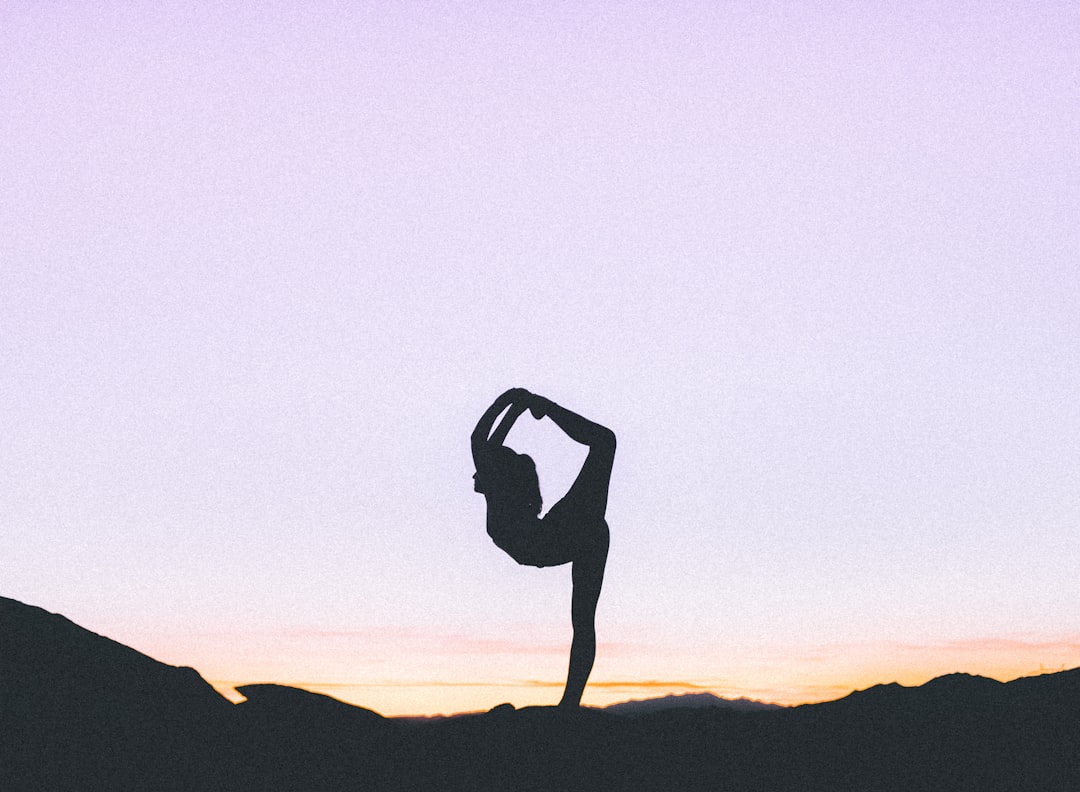
A good morning yoga routine should be simple enough to repeat, flexible enough to fit real life, and clear enough that you do not have to decide what to do before your first cup of water. This guide gives you three practical morning yoga flows—10, 20, and 30 minutes—so you can match your practice to your schedule without losing consistency. You will also find ways to maintain the routine over time, signs that it needs updating, common problems that derail a home yoga practice, and a simple review cycle so this can remain a useful part of your daily rhythm rather than a short-lived burst of motivation.
Overview
If your goal is to use yoga to start the day, the most important variable is not complexity. It is repeatability. A morning yoga flow works best when it helps you feel more awake, more mobile, and more settled without asking too much from a stiff body or a distracted mind.
Morning practice is different from afternoon or evening practice in a few practical ways. Most people wake up with tighter hips, hamstrings, calves, shoulders, and spine than they will have later in the day. Balance can feel less steady. Strong backbends or deep passive stretches may feel appealing, but they are not always the best first move. A more sustainable approach is to begin with breath, joint mobility, gentle spinal movement, and a gradual transition toward standing poses.
The three flows below are designed for a home yoga practice. They are intentionally straightforward. You can do them on a mat, a rug, or a clear patch of floor. If you are new to yoga for beginners, keep blocks, folded blankets, or a sturdy chair nearby. If you already take online yoga classes, these routines can work as a daily baseline on days when you do not want to stream a full session.
General morning practice principles
- Start slower than you think you need to.
- Use nasal breathing if it feels comfortable.
- Prioritize spinal mobility, hips, shoulders, and ankles.
- Choose stability over depth.
- End with one clear intention for the day: steadiness, patience, focus, or ease.
10-minute morning yoga routine
This is the version for busy weekdays, travel mornings, or anyone building consistency. Think of it as the minimum effective dose.
- Seated or standing breath awareness, 1 minute: Sit on the edge of the bed or stand tall. Inhale for a count of four, exhale for a count of four. Let the breath become smooth rather than deep.
- Neck and shoulder rolls, 1 minute: Move slowly. Keep the range small.
- Cat-cow, 1 minute: On hands and knees, alternate spinal flexion and extension. If wrists are sensitive, do it seated with hands on knees.
- Thread the needle, 1 minute total: About 30 seconds each side to wake up the upper back and shoulders.
- Downward-facing dog or puppy pose, 1 minute: Pedal the feet, soften the knees, and lengthen the spine.
- Low lunge, 2 minutes total: One minute per side. Keep the back knee down if needed.
- Standing forward fold into half lift, 1 minute: Bend the knees generously. Focus on length through the spine.
- Mountain pose with arm reaches, 1 minute: Reach arms overhead on the inhale, lower on the exhale.
- Chair pose or squat-to-stand, 1 minute: Build a little warmth and alertness.
This 10 minute yoga morning sequence is enough to create momentum. If you are short on time, stopping here still counts.
20-minute morning yoga flow
This option adds strength, a bit more circulation, and a steadier mental reset. It works well as a daily yoga routine for most people.
- Easy seat with breath, 2 minutes: Place one hand on the chest and one on the belly. Observe the breath without forcing it.
- Cat-cow and side body stretch, 2 minutes: Add hip circles if they feel good.
- Downward dog to plank waves, 2 minutes: Move slowly between the two. Drop knees if needed.
- Low lunge with gentle twist, 3 minutes total: Keep the twist broad through the chest rather than wrenching the spine.
- Sun salutation variation, 4 minutes: Two to four slow rounds with knees bent in forward folds and a step-back instead of a jump.
- Warrior I or crescent lunge, 2 minutes total: One minute per side. Focus on grounding through the feet.
- Warrior II, 2 minutes total: One minute per side. Keep the front knee tracking over the toes.
- Standing balance, 1 minute total: Tree pose or hands on wall for support.
- Seated fold or figure four stretch, 1 minute: Choose what feels appropriate for your body that day.
- Short rest and one-minute seated meditation, 1 minute: Sit quietly and notice the shift in energy.
This version blends elements of a hatha yoga routine with a gentle morning yoga flow. It is active enough to help you feel ready for work, study, or training, but still controlled enough for a stiff morning body.
30-minute yoga to start the day
Choose this when you want a fuller practice that supports flexibility, focus, and steady energy. It is especially useful on weekends or on mornings when your schedule allows more space.
- Arrival and breathing exercises, 3 minutes: Try simple equal breathing. If you enjoy structured breathing exercises, keep them moderate in the morning rather than intense.
- Joint warm-up, 4 minutes: Ankles, wrists, shoulders, and hips. Gentle circles and controlled movement work well.
- Cat-cow, thread the needle, and puppy pose, 4 minutes: This prepares the spine and upper body for weight bearing.
- Sun salutations, 6 minutes: Move at a sustainable pace. Two to six rounds are enough depending on experience.
- Standing sequence, 7 minutes: Warrior I, Warrior II, triangle, and a supported balance pose. Hold each for a few breaths rather than rushing.
- Hip-opening floor work, 3 minutes: Low lizard variation, reclined figure four, or a gentle pigeon prep if appropriate for your knees and hips.
- Bridge pose or sphinx, 2 minutes: A mild backbend can feel energizing when introduced gradually.
- Supine twist, 1 minute: Keep it easy and relaxed.
- Seated meditation or quiet rest, 2 minutes: End with stillness so the practice feels complete.
If you are exploring yoga for flexibility, this longer routine gives you enough time to warm up properly before asking for more range of motion. If you are cross-training, it can also pair well with a broader weekly plan like The Athlete's 12-Week Online Yoga Plan: Build Strength, Flexibility, and Recovery.
Beginner modifications that keep the routine sustainable
- Keep knees bent in forward folds.
- Lower the back knee in lunges.
- Use yoga blocks under the hands in standing poses.
- Practice hands-on-wall downward dog instead of the full pose.
- Reduce the number of sun salutations.
- Replace floor transitions with slower step-throughs.
If you want a wider library of foundational shapes, see Yoga Poses for Beginners: 50 Foundational Poses With Names, Benefits, and Modifications.
Maintenance cycle
The best way to keep a morning yoga routine useful is to review it on purpose instead of waiting until it stops working. A simple maintenance cycle helps you preserve consistency while making small, intelligent changes.
Weekly: keep the structure stable
For one week at a time, choose one default length: 10, 20, or 30 minutes. Treat that as your anchor routine. If your mornings vary, assign tiers:
- Tier 1: 10 minutes on the busiest days
- Tier 2: 20 minutes on normal days
- Tier 3: 30 minutes when time allows
This removes decision fatigue. You are not asking, “Should I do yoga today?” You are only choosing which version fits.
Monthly: adjust the emphasis
Every four weeks, ask what your body currently needs most. Your routine may stay the same length but shift in emphasis:
- Need more energy? Add extra standing poses, chair pose, or an additional sun salutation.
- Need less stress? Add one more minute of guided meditation or simple breath awareness at the end.
- Need mobility? Spend longer in low lunge, puppy pose, and supported hamstring work.
- Need recovery? Reduce intensity and include slower transitions and more floor-based movement.
Seasonally: adapt to weather, training load, and schedule
Morning routines often need a seasonal adjustment. Cold weather usually calls for a longer warm-up and more gradual movement. During hot months, you may prefer a steadier, less heating flow. If your work, family, or training calendar changes, shorten the sequence rather than abandoning it.
A seasonal review is also a good time to check your setup. If your mat slips or your space feels cramped, your habit may suffer. For practical equipment guidance, see Best At-Home Yoga Mats and Props for Athletes: What to Buy and Why.
Use one note, not five apps
Track your morning yoga routine in the simplest format possible: a note on your phone, a paper calendar, or a bookmark in your browser. Record three things only:
- Which flow you did
- How you felt before
- How you felt after
That tiny record makes it easier to notice which version actually supports your day.
Signals that require updates
Your morning routine should not be rigid. It should be dependable, but not frozen. If any of the following signals show up consistently, it is time to revise the sequence.
1. You are skipping it because it feels too long
This is the clearest sign. If your ideal routine keeps losing to your actual schedule, shorten it. A 10-minute practice done five days a week is usually more useful than a 30-minute plan that rarely happens.
2. You feel more strained than refreshed
Morning yoga for stress relief should leave you clearer, not depleted. If your wrists, lower back, neck, or hamstrings feel aggravated, reduce load, soften depth, and replace repetitive chaturangas or aggressive folds with supported alternatives.
If back discomfort is a recurring issue, read Yoga for Back Pain: Best Poses, Modifications, and When to Avoid Them or Yoga for Back Pain: Evidence-Based Online Routines and Modifications.
3. You are bored and moving mechanically
Consistency does not require monotony. If you are moving through the poses without attention, keep the structure but rotate one element each week: swap Warrior I for crescent lunge, tree pose for standing knee lift, or seated meditation for a short mindfulness exercise.
4. Your goals have changed
A morning yoga flow that supports race training, desk work, parenting, recovery, or pregnancy will not always look the same. If you are pregnant or postpartum, for example, some twists, compressive positions, or heat-building sequences may no longer feel appropriate. In that case, consult a more specific resource such as Prenatal Yoga Online: Safe Practices for Active Parents-to-Be.
5. Search intent or learning needs have shifted
For readers revisiting this topic over time, another update signal is practical relevance. If you now want a morning routine with more breathwork, more strength, more mobility, or better recovery support, the sequence should evolve. Morning yoga is a living habit, not a fixed script.
Common issues
Most morning yoga problems are not about discipline. They are about friction. Reduce the friction, and the routine becomes much easier to keep.
Problem: “I do not have enough time.”
Solution: Set a 10-minute default. Place your mat out the night before. Choose the exact first pose in advance. If needed, practice before checking messages. The first minute matters more than your ideal duration.
Problem: “I feel too stiff in the morning.”
Solution: Spend the first three to five minutes entirely on breath and mobility. Think cat-cow, shoulder rolls, hip circles, and supported lunges. Save deeper stretching for later in the day if your body responds better then.
Problem: “I get lightheaded or unfocused.”
Solution: Slow down transitions, rise from folds gradually, and avoid holding your breath. A small glass of water before practice may help some people. Keep the room ventilated and the pace moderate.
Problem: “I cannot stay motivated at home.”
Solution: Give your practice a visible cue and a small endpoint. For example: mat by the bed, one candle or lamp on, ten minutes minimum. You can also rotate in online yoga classes once or twice a week for accountability. If you want help choosing a format that fits a busy schedule, see How to Choose and Book Virtual Yoga Classes: A Checklist for Busy Practitioners.
Problem: “My breathing feels shallow.”
Solution: Start with simple breathing exercises rather than forceful pranayama. Equal inhale and exhale is enough for most mornings. If you want a deeper look at breath-led practice, visit Breathwork and Pranayama for Athletes: Online Practices to Boost Performance.
Problem: “I want yoga for flexibility, but I end up rushing.”
Solution: Reduce the number of poses and hold each one for two to five steady breaths. Flexibility improves more reliably when tissues are warm and the nervous system is not being pushed into resistance.
Problem: “I need something calmer on certain days.”
Solution: Keep a softer backup routine. On tired or high-stress mornings, do five minutes of spinal mobility, one supported hip opener, and two minutes of seated stillness. A restorative approach can be especially helpful if your sleep has been poor. You may also like Restorative Yoga Tutorials for Faster Recovery and Better Sleep.
When to revisit
Revisit your morning yoga routine at predictable intervals so it keeps serving your actual life. A practical review schedule makes this article worth returning to, because your body, schedule, and goals will keep changing.
Revisit weekly if:
- You are just starting a home yoga practice
- Your work or training schedule changes often
- You are testing which flow length is realistic
Revisit monthly if:
- You have been fairly consistent
- You want to progress gradually from 10 to 20 or 30 minutes
- You need to refine the poses that feel best in the morning
Revisit seasonally if:
- Your energy, sleep, or weather patterns change your morning rhythm
- You rotate between performance goals, general fitness, and recovery
- You want to refresh your sequence without rebuilding it from scratch
A simple action plan for your next seven days
- Pick one default routine length: 10, 20, or 30 minutes.
- Write the sequence down in the order you will do it.
- Prepare your space the night before.
- Practice for seven days without trying to optimize every detail.
- At the end of the week, keep what worked and change only one thing.
If you want an easy rule, use this one: shorten before skipping, modify before quitting, and review before assuming the routine no longer works. That is how a morning yoga routine becomes a long-term tool for energy, mobility, and steadiness rather than another abandoned wellness plan.
And if you need more support as your practice develops, it can help to pair these flows with occasional guided meditation, beginner-friendly pose libraries, or carefully chosen online yoga classes. The goal is not to build the perfect morning. It is to build a reliable one.