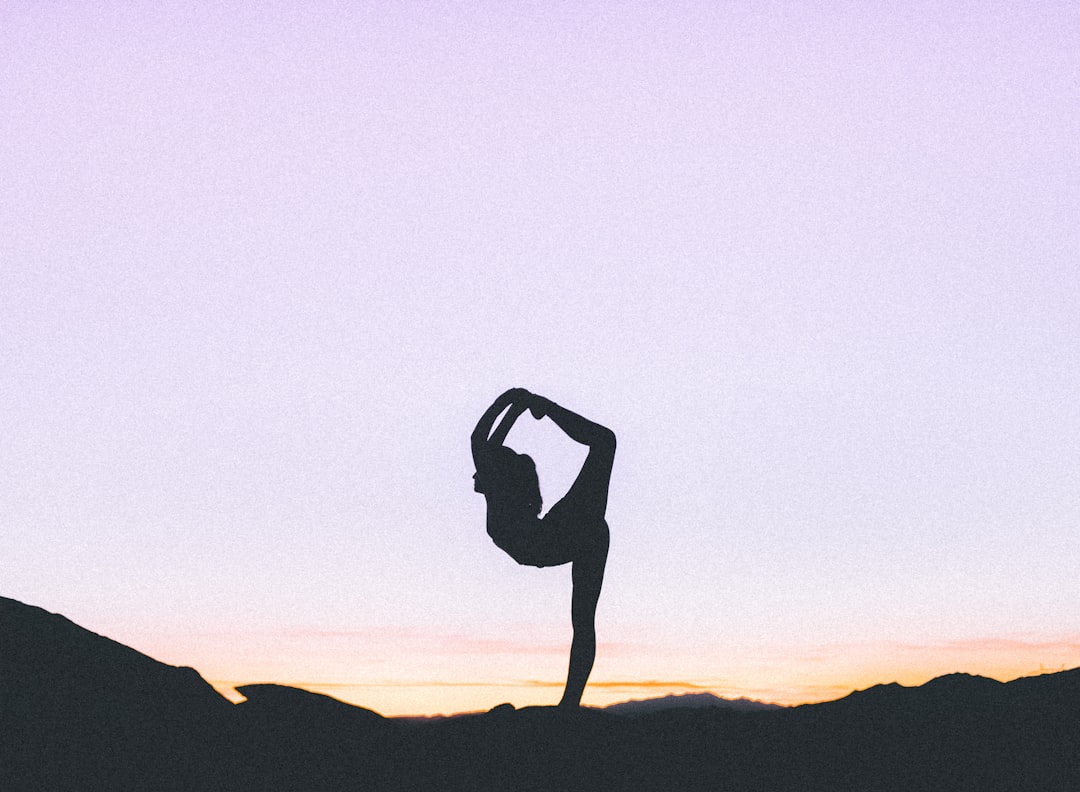
If you’re searching for yoga for back pain, you’re probably not looking for a flashy flow—you’re looking for something that helps you move with less fear, less stiffness, and fewer flare-ups. The good news is that modern reliability thinking applies surprisingly well to your practice: consistent setup, repeatable routines, and a clear plan for when to modify or stop. In this guide, we’ll cover what the evidence says, which breathwork exercises and poses are most useful, and how to use online yoga safely at home.
We’ll also help you navigate the huge number of online yoga classes and virtual yoga classes available today, so you can choose the right level, style, and teacher cueing for your back, not just your fitness goals. Whether you want a restorative yoga tutorial, a gentle mobility reset, or a beginner-friendly routine you can do in your living room, this pillar guide is built to be practical. And because back pain is not one-size-fits-all, we’ll clearly explain red flags that mean you should consult a clinician first.
What the Evidence Says About Yoga and Back Pain
Yoga can help, but it’s not magic
Research generally supports yoga as a helpful option for some types of persistent low back pain, especially when it improves movement confidence, strength, and stress regulation. Clinical guidelines from major health organizations often include exercise-based care, and yoga can fit into that category when it’s taught and modified well. The main benefit is not a single pose; it’s the combination of graded mobility, core and hip engagement, and paced breathing that reduces guarding. That’s why a thoughtful home practice often works better than randomly following a fast-paced video.
Why back pain improves with the right kind of practice
Many people with back pain become stuck in a cycle of fear, stiffness, and deconditioning. Gentle yoga can interrupt that cycle by training the nervous system to tolerate safe movement again. In practical terms, this means your program should emphasize spinal neutrality, hip mobility, glute support, and easy transitions rather than deep forward folds or aggressive twists. If you want to understand how movement patterns can be evaluated and tracked, the structure used in performance insights for coaches is a useful model: observe what happens, compare over time, and adjust the plan.
Not all yoga styles are equally appropriate
For back pain, slower and more adaptable styles tend to be the safest starting point. Restorative-style sessions can lower muscle guarding, while supported props make positions less demanding on the spine. Some people also benefit from steady, reliable routines that are repeated several times a week instead of frequent novelty. By contrast, deep backbends, fast vinyasa transitions, and long-held end-range twists may be unhelpful early on.
Which Back Problems Yoga May Help Most
General mechanical low back discomfort
For common, nonspecific low back pain, yoga is often used to improve flexibility, trunk endurance, and confidence with movement. People who sit a lot, lift frequently, or train hard may find that gentle yoga restores hip extension and thoracic mobility, which can reduce strain on the lumbar area. A well-designed practice should feel like you are distributing effort across your whole system, not forcing your lower back to do everything. This is especially helpful for athletes who need a recovery tool that complements other training, rather than competes with it.
Stiffness linked to inactivity or desk work
If your back pain is worse after long sitting, a short daily sequence can be more effective than one long weekly session. You may do well with cat-cow, supported half-kneeling hip flexors, glute bridges, and gentle hamstring mobility. These movements often work because they restore the joints that commonly become stiff in sedentary routines. For people trying to build a habit, pairing practice with an easy structure like the systems in subscription management habits can help: set a simple schedule, reduce friction, and repeat.
Stress-related muscle tension
Back pain is often amplified by stress, poor sleep, and persistent muscle bracing. In those cases, breathing and relaxation matter as much as stretching. Slower exhalations, diaphragmatic breathing, and restorative holds can downshift the nervous system and reduce the sensation of threat around movement. If you’re interested in the mental side of practice, the ideas in cognitive stretching show how yoga can support both body and attention.
Pro tip: The best back-pain yoga usually feels “less intense than you expected” but more useful than you expected. You should finish feeling calmer, looser, and more confident—not exhausted or stretched to the limit.
How to Choose Safe Online Yoga Classes
Look for teachers who cue modifications clearly
When comparing online yoga classes, prioritize instructors who explain how to reduce range of motion, use props, and exit poses safely. Good teachers offer alternatives for kneeling, flexion, twisting, and weight-bearing positions. They should also name common contraindications and encourage you to work pain-free rather than “push through.” This level of clarity matters more than polished video production.
Choose a style that matches your symptoms and goals
If your back is irritable, start with restorative, gentle, or beginner classes instead of power yoga. If your back feels stiff but not sharply painful, a slow mobility session or beginner flow may be appropriate, provided the transitions are carefully controlled. For people wanting to improve flexibility without aggravating symptoms, a carefully structured yin yoga for flexibility practice may help, but only if long holds do not provoke numbness, tingling, or pinching. A practical rule: the calmer your symptoms, the more options you have; the more acute or reactive they are, the more conservative your choice should be.
Check for beginner-friendly sequencing
Many people searching for yoga for beginners need more than easy poses—they need an understandable order. A safe class usually moves from breath awareness to warm-up, to simple floor work, to standing work, and then to downregulation. Classes that jump quickly between challenging shapes can create unnecessary strain, especially when practiced at home without hands-on guidance. If you want a model for clear instruction and audience fit, the structure used in choosing a university profile like an employer is similar: evaluate outcomes, credibility, and fit before committing.
Detailed Comparison: Which Yoga Approaches Fit Which Back Issues?
| Approach | Best for | Why it helps | Watch out for | Online class fit |
|---|---|---|---|---|
| Restorative yoga | Irritated, stressed, or flare-prone backs | Low load, nervous-system downregulation, supported positions | Too much passive flexion if it aggravates disc symptoms | Excellent |
| Gentle Hatha | Beginners needing structure | Simple sequencing and modifiable basics | Standing holds may fatigue if cues are rushed | Excellent |
| Slow flow / mellow vinyasa | Stiff but stable backs | Builds coordination and controlled mobility | Fast transitions and repeated chaturanga can irritate | Good with modifications |
| Yin yoga | Flexibility goals, generalized tightness | Long holds can improve tolerance in connective tissue and calm the mind | May be too much for acute pain or hypermobility | Good with caution |
| Therapeutic yoga | People with recurring pain patterns | Teacher adapts poses to specific limitations | Quality varies widely by teacher training | Best when teacher is well credentialed |
A Safe At-Home Sequence You Can Do Virtually
1) Two minutes of breath and body scan
Begin in constructive rest, lying on your back with knees bent and feet on the floor. Place one hand on the belly and one on the ribcage, and let your exhale be slightly longer than your inhale. This simple start reduces urgency and helps you notice whether the back feels guarded, sensitive, or normal. Many breathwork exercises are useful here, but the goal is comfort, not intensity.
2) Warm the spine without forcing range
Move into cat-cow, but keep the motion small and smooth. Then try pelvic tilts, knee sways, and thread-the-needle only if rotation feels comfortable. These movements are helpful because they prepare the back to move through manageable ranges without overload. In an online setting, choose classes where the instructor says things like “make it tiny” or “back off at any sign of pinching.”
3) Build support from the hips and glutes
Bridge pose is often one of the most useful back-friendly strength builders because it teaches the glutes to share the work. Low lunges, supported chair pose, and side-lying leg lifts can also help stabilize the pelvis. If you train hard in sports, these poses can be your bridge between recovery and performance work, much like a well-designed training plan uses accessible steps before more complex loads. For that mindset of gradual progression, see beginner build strategies that emphasize simple wins before complexity.
4) End with downregulation
Finish with legs up the wall, supported child’s pose if tolerated, or a short guided body scan. Endings matter because people with back pain often leave practice slightly activated and then interpret that as “the yoga made it worse,” even when the issue was too little cooldown. A good virtual class will leave space for this phase rather than cramming in more poses. If you’re assembling your own schedule, think like a smart planner: start simple, track response, and repeat what works.
Pro tip: If a pose feels “stretchy” in the hips but sharp, electrical, or pinchy in the spine, it’s usually a stop sign, not a growth opportunity.
Best Modifications for Common Problem Areas
For sensitive low backs
Reduce forward fold depth, avoid aggressive rounding, and keep knees bent when hinging at the hips. Use a block under the hands in half lift or standing fold so the spine can stay long. In floor-based poses, support the pelvis with blankets or bolsters to reduce strain and make the posture feel more spacious. This is one reason a good restorative yoga tutorial can be so valuable: props change the experience of the pose.
For tight hips and glutes
Hip stiffness often drives compensatory movement into the lumbar spine. Gentle lunges, figure-four variations, and supported pigeon can help, but only if you keep the sensation in the hips rather than the back. Add glute activation before deep stretching so the body feels stable before it opens. If you want a general wellness comparison mindset, the way people evaluate tools in smart retail selection is a useful analogy: choose what fits your needs, not what looks impressive.
For mid-back tightness and posture fatigue
Thoracic mobility often improves with gentle extension over a rolled blanket, open-book rotations, and sphinx pose. These are especially useful for desk workers and cyclists who spend a lot of time in flexion. Keep the lumbar spine calm by thinking of the movement as happening higher up the back. If a posture feels better when you “stack” alignment, that’s a clue to keep the movement moderate rather than maximal.
How to Practice at Home Without Making Back Pain Worse
Use the pain-monitoring rule
During practice, discomfort should stay mild and should settle quickly after you stop. A useful guideline is that pain should not spike during the session or linger at a higher level the next day. If symptoms escalate, shorten the session, decrease range, or choose a different style. Consistency matters more than heroic effort, especially for home practice routines that need to fit real life.
Make your environment do some of the work
Set up props before you begin: a folded blanket, two blocks, a strap, and a chair can transform a routine. This lowers the effort required to stay safe and makes the session easier to repeat. Think of your setup as part of the intervention, not an afterthought. If you’ve ever appreciated how practical systems simplify life, the logic in saved locations and shortcuts applies here too.
Track what helps, not just what hurts
Use a simple note in your phone after each session: what you did, how it felt during, and how you felt the next morning. Over time, patterns emerge. Maybe bridge pose helps but long holds in child’s pose irritate you, or maybe gentle rotations reduce stiffness after sitting. That kind of feedback loop is the fastest route to a personalized plan, especially when using reliability principles to keep habits stable.
Red Flags: When to Stop and Seek Medical Advice
Symptoms that need prompt evaluation
Yoga should not be used to “push through” severe or progressive symptoms. Seek medical care promptly if you have new bowel or bladder changes, saddle numbness, rapidly worsening weakness, unexplained fever, recent major trauma, or pain that is severe and unrelenting. These symptoms may indicate a more serious condition and need assessment by a clinician. If pain wakes you at night consistently, is accompanied by weight loss, or feels markedly different from your usual back pain, do not rely on home yoga alone.
When back pain changes how you move
If you start limping, cannot bear weight normally, or lose significant range of motion after a class, pause practice and reassess. Sharp pain during twisting, bending, or leg lifting can signal that the tissues are not ready for that load. It may be a simple mechanical irritation, but it may also mean you need a more specific plan from a physical therapist or physician. Online classes are useful, but they do not replace an evaluation when symptoms are escalating.
Special cases: sciatica, hypermobility, and post-injury back pain
People with radiating symptoms down the leg, known as sciatica, should be extra careful with aggressive stretching. Hypermobile practitioners often need less range and more strength, not more flexibility. And if you are returning after a strain, disc episode, or other injury, the safest path is often a clinician-guided plan with gradual reintroduction of movement. For this reason, some users benefit from teaching resources that emphasize clear boundaries and responsible progression, similar to the thinking in responsible engagement.
Building a Weekly Yoga Plan That Actually Sticks
Start with realistic frequency
Three 10- to 20-minute sessions per week can be enough to create meaningful change, especially if you are new to yoga or dealing with pain flares. The goal is not to do the most challenging sequence; it is to create a repeatable dose of movement that your back tolerates well. This is exactly why many people do better with small, sustainable habits than with dramatic overhauls. Add duration only after your body shows that the current plan is comfortable.
Rotate session types
One session can focus on mobility, another on support and strength, and another on downregulation. That variety prevents boredom while still keeping the load predictable. For example, Monday could be gentle mobility, Wednesday could be glute and core support, and Saturday could be restorative recovery. This structure mirrors the way smart planners diversify effort across the week instead of trying to peak every day.
Adjust based on the day, not the ego
Back pain often fluctuates, so the best plan is flexible. On a stiff day, shorten the range and increase support. On a better day, you may add a few more standing poses or slightly longer holds, but not a dramatic leap. If you are comparing classes and memberships, look for platforms that let you filter by level, intensity, and class length so you can adapt your practice without starting over.
Choosing the Right Online Platform or Teacher
Look for credentials and practical cueing
A strong teacher should demonstrate anatomy-aware cueing, clear contraindications, and a calm pace. Certifications matter, but so does teaching style, especially for back pain. Read class descriptions carefully and preview instructors who mention modifications, props, beginner accessibility, and therapeutic sequencing. Trusted platforms often organize content well, much like the clarity users expect in high-quality educational profiles.
Seek libraries with searchable class filters
The best online platforms let you search by length, level, style, and body focus. That way, you can find a 15-minute lower-back release, a 30-minute beginner gentle flow, or a restorative class without scrolling endlessly. If a site makes it hard to identify a safe class quickly, that’s a usability problem—and for pain management, usability matters. The same principle shows up in thoughtful digital design across industries, including the way value-focused content libraries help users make better decisions.
Use trials to test fit before committing
Most people need to sample several teachers before finding one whose pacing and cueing feel right for their body. During a trial period, practice the same two or three classes and observe whether symptoms improve, stay stable, or worsen the next day. That simple test tells you far more than star ratings alone. If you like evidence-based comparisons, the style used in subscription savings guides—compare features, compare pricing, then decide—works well here too.
FAQ: Yoga for Back Pain
Is yoga safe for every type of back pain?
No. Yoga is often helpful for mild to moderate mechanical back pain, stiffness, and stress-related tension, but it is not appropriate as the only response to red-flag symptoms, progressive neurologic issues, or severe unexplained pain. If you have numbness, weakness, bowel or bladder changes, fever, trauma, or rapidly worsening pain, get medical evaluation first. Even when yoga is appropriate, the style and intensity need to match your symptoms.
What is the best yoga style for beginners with back pain?
Gentle Hatha, restorative yoga, and beginner therapeutic classes are usually the safest starting points. These formats move slowly, offer props, and let you modify without feeling left behind. A fast vinyasa class may still be possible later, but it is usually not the best first choice when pain is active.
Can yin yoga help with back pain?
It can help some people with flexibility and relaxation, especially when the pain is more about stiffness than irritation. However, yin involves longer holds, which can be too much for acute pain, nerve symptoms, or hypermobility. If you try yin, keep the shapes mild, use plenty of props, and stop if symptoms travel, sharpen, or linger afterward.
How often should I do yoga at home for back pain?
Start with three sessions per week, even if each one is only 10 to 20 minutes. Many people do better with short, repeatable sessions than with long, occasional practices. If your body responds well, you can add frequency or length gradually. The safest progression is the one you can maintain.
Should I stretch through pain?
No. Mild muscular sensation is normal, but sharp, pinching, burning, or radiating pain is not something to push through. For backs that are already sensitive, aggressive stretching can make symptoms worse. Focus first on comfort, breathing, and small ranges of motion.
When should I see a clinician instead of using online yoga?
See a clinician if your pain follows trauma, is getting worse over time, includes leg weakness or numbness, or affects bowel and bladder function. Also seek care if your pain persists despite several weeks of sensible self-management, or if you are unsure whether a movement is safe because of a previous injury or medical condition.
Conclusion: The Smartest Way to Use Yoga for Back Pain
The most effective yoga for back pain is usually not the most advanced—it is the most appropriate. That means choosing virtual yoga classes with clear modifications, using props generously, and focusing on a repeatable routine that your back tolerates well. It also means respecting warning signs, knowing when to stop, and seeking clinical care when symptoms suggest something more than routine stiffness or strain. If you want a practical starting point, try a combination of breathwork, gentle mobility, glute support, and restorative recovery, then build from there.
For more support as you build your practice, explore our guides on props and support tools, choosing classes that fit your schedule, and staying consistent with routines that last. The long game is not perfection; it’s a calm, well-informed practice that helps you move better week after week.
Related Reading
- Scaling with Integrity: What Food Makers Can Learn From a Floor-Paint Factory’s Rise to Quality Leadership - Useful framework for building reliable, repeatable systems.
- What Developers Need to Know About Qubits, Superposition, and Interference - A clear example of breaking complex topics into manageable concepts.
- A Marketer’s Guide to Responsible Engagement: Reducing Addictive Hook Patterns in Ads - Helpful lens for avoiding overcooked, high-pressure practices.
- Modern Materials, Ancient Touch: How New Tool Materials Are Changing Massage Practice - Great for understanding how props and support change bodywork outcomes.
- Steady Wins: Applying Fleet Reliability Principles to Cloud Operations - A practical mindset for building habits that stay stable over time.