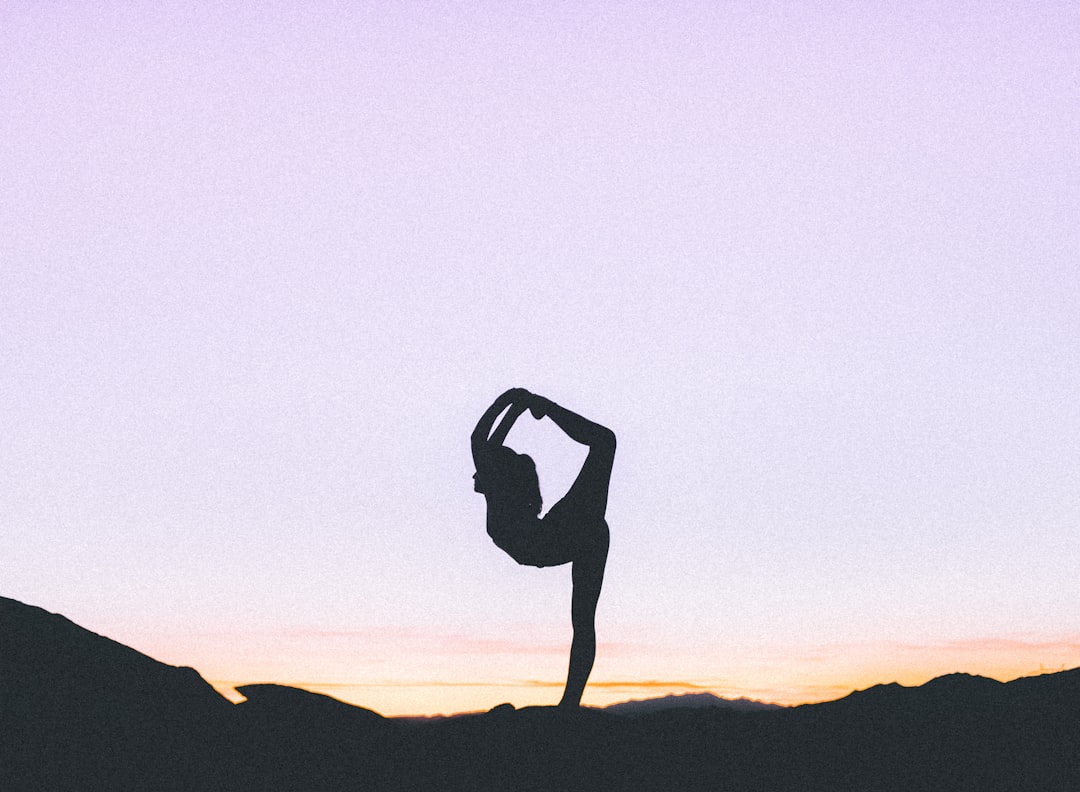
Vinyasa yoga online has become one of the most practical ways for athletes, gym-goers, runners, cyclists, and busy professionals to build movement quality without losing time to commuting. Done well, it is not just a “stretch class.” A strong vinyasa practice can improve trunk control, shoulder stability, ankle and hip mobility, breathing efficiency, and recovery between hard training sessions. If you are exploring online yoga classes for performance, this guide will help you choose the right class, understand the progressions, and evaluate whether a virtual teacher is actually worth following.
For many people, the biggest barrier to yoga at home is not motivation alone. It is uncertainty: Which style fits my body? How hard should it feel? Will it help my back, hips, shoulders, or sport-specific stiffness? In this guide, we will connect vinyasa-style practice to athletic goals, explain the cues that matter most, and show how to combine flowing movement with breathwork exercises, recovery sessions, and safer modifications so you can train consistently without feeling beat up.
Pro tip: The best vinyasa class for athletes is usually not the fastest one. It is the class that teaches precise transitions, stable alignment, and controllable breathing under fatigue.
What Makes Vinyasa Useful for Athletic Performance?
Flow, load, and coordination
Vinyasa links movement to breath, which creates a repeatable rhythm and a built-in pacing system. For athletes, that matters because sports rarely require isolated flexibility alone; they require the ability to produce force while moving, recovering, and re-orienting quickly. A well-designed online vinyasa class trains this “transitional strength” through repeated patterns like plank to chaturanga, low lunge to hamstring stretch, and standing balance sequences that challenge hip control. This is one reason vinyasa online can be more useful than static stretching when you want mobility that transfers to sport.
From a training perspective, vinyasa also acts like low-to-moderate intensity conditioning. Fast flows raise heart rate, while slower, strength-focused flows improve time under tension and muscular endurance. That makes it valuable between workouts or on cross-training days, especially if your sport is already dominated by repetitive loading. For athletes also trying to manage stress and sleep, pairing movement with downregulating breathwork can help shift the nervous system out of a constant “go” state.
Mobility is not just range; it is usable range
One of the biggest misconceptions about yoga is that being able to touch your toes equals mobility. In reality, usable mobility means you can control the joint through range with stability and strength. In vinyasa, that could mean maintaining a long spine in a hinge, controlling scapular protraction in plank, or keeping a neutral pelvis in a lunge instead of dumping into the lower back. When practiced intelligently, online yoga can improve how you move under load rather than just how far you can passively stretch.
This is especially relevant for people with tight hips, overworked calves, or cranky lower backs from running or lifting. Instead of chasing extreme positions, use yoga for beginners principles—slow the transitions, reduce the range, and prioritize body awareness. Beginners and advanced athletes alike benefit from the same rule: if you cannot breathe smoothly in a shape, you may not yet own that shape.
Recovery without losing training intent
Dynamic flows can support recovery in a way that passive rest sometimes cannot. Gentle movement increases circulation, reduces stiffness, and gives you a chance to notice asymmetries before they become bigger issues. This is why many athletes use vinyasa as an active recovery tool on days after speed work, heavy lifting, or long cardio sessions. The key is to match the class to the training phase rather than assuming more intensity is always better.
For example, a runner coming off intervals may benefit from hip openers, spinal rotations, calf loading, and controlled hamstring work, while a lifter may need shoulder flexion, thoracic mobility, and wrist prep. If a class is too aggressive, it may add fatigue instead of relieving it. For a slower nervous-system reset, consider pairing vinyasa with a restorative yoga tutorial later in the week so your recovery plan includes both movement and stillness.
How to Tailor Vinyasa Online for Athletic Goals
Progressions that build strength instead of just flexibility
The best online yoga instructors understand progressions. Rather than asking everyone to jump into full expressions immediately, they layer intensity by adjusting leverage, tempo, and range. In plank variations, for example, you can start with knees down, then shift to full plank holds, then add slow shoulder taps or controlled hover transitions. In standing sequences, you can move from simple crescent lunge holds to pulse patterns, then to balance work like airplane or half-moon variations.
Look for classes that cue strength with specificity: “press the floor away,” “hug the outer hips inward,” “lengthen through the crown while rooting through the feet,” and “lower with control.” Those cues help you generate force safely instead of collapsing into joints. If you like data-driven training, think of progressions as your overload model—same movement family, gradually increasing demand. That mirrors the logic behind smart athletic programming, much like the structured planning discussed in practical strategies gyms and athletes can use when energy costs spike: efficiency matters when you want results without waste.
Strength-focused variations to watch for
Some virtual yoga classes are flow-heavy but strength-light, which can feel good in the moment but not challenge you enough to drive adaptation. Strength-focused vinyasa usually includes longer holds, slower eccentrics, and repeated transitions with control. Common examples include lowering from high plank to low plank over four counts, holding chair pose before twisting, or moving through warrior-to-side-angle sequences with deliberate pauses. These choices are especially useful for athletes who need stronger shoulders, core, and hip stabilizers.
When evaluating a class description, scan for language like “power flow,” “athletic flow,” “core stability,” “conditioning,” or “sweat.” That does not automatically mean the class is good, but it tells you the teacher is aiming beyond basic stretching. Also pay attention to whether the class includes prop options and slower setup cues; those are signs the instructor is teaching movement quality, not just choreography. If you are used to structured training plans, you may appreciate the same discipline found in short, effective pre-ride briefings: clear setup, clear intent, and no wasted motion.
Why breath pacing changes the difficulty
Vinyasa is often judged by how hard the poses look, but the breathing pattern is what often determines whether the practice is truly training your system. Slowing exhale length can lower perceived exertion and improve control, while breath holds or rushed breathing can increase tension and reduce movement quality. That is why breathwork exercises should not be an afterthought in virtual yoga classes. The teacher should cue breath clearly, use enough pauses for people to reset, and avoid turning every transition into a breathless sprint.
For performance-minded practitioners, a useful benchmark is whether you can stay nasal breathing for most of the class. If you cannot, the pace may be too high for your current capacity, or the transitions may be too complex. On recovery days, classes that integrate longer exhales, child’s pose resets, and slow transitions can be especially helpful. For the broader mindset behind that regulation, the ideas in calm in market turbulence emotional tools translate surprisingly well to training: the ability to stay calm under pressure is a skill, not just a mood.
How to Evaluate a Virtual Vinyasa Instructor
Credentials matter, but teaching skill matters more
When choosing among online yoga classes, many people focus on style labels first and teacher quality second. That order often leads to frustration. A certified instructor with poor cueing can make a beginner feel lost and make an athlete move sloppily, while a thoughtful teacher can make simple shapes feel transformative. Look for teachers who have experience teaching online yoga specifically, because virtual instruction requires sharper verbal cueing, better sequencing, and clearer demonstration than in-person teaching.
Ask practical questions: Do they explain how to scale a pose up or down? Do they mention contraindications, especially for shoulders, knees, wrists, and low backs? Do they offer options for people returning from injury or managing asymmetry? If an instructor only says “listen to your body” without giving concrete options, that is usually not enough for a performance-focused or injury-aware audience. A good virtual teacher should sound like a coach, not a soundtrack.
What great cueing sounds like
High-quality cueing is specific, actionable, and layered. Instead of saying “open your hips,” a better cue would be “anchor the back foot, draw the front knee over the ankle, and subtly rotate the thigh outward while keeping the ribs stacked.” That level of detail helps you understand where force is coming from and where it should go. In vinyasa online, this becomes even more important because the camera cannot correct your body in real time.
Also listen for sequencing language. Good teachers tell you what is coming next, how long you’ll stay there, and what the purpose is. This lowers confusion, especially during transitions from standing work into floor work. If you want a useful comparison, it is similar to the structure used in a good streaming performance: confident pacing, clear intention, and enough guidance that the audience can stay engaged without feeling micromanaged.
Red flags in virtual instruction
Not every polished class is a safe class. Be cautious if an instructor encourages pain, ignores form breakdowns, or uses one-size-fits-all language for advanced poses without offering regressions. Another red flag is extreme repetition of chaturanga or loaded wrist work without mentioning modifications; that can be too much for many bodies, especially beginners or people with previous injuries. In a virtual setting, teachers should also be transparent about what the class is, what it is not, and who it is for.
If your goal is athletic performance, you should be especially wary of teachers who prioritize aesthetics over function. A visually impressive flow may not build the kind of mobility and strength you need for sport. By contrast, a thoughtful teacher will sometimes choose a simpler sequence and spend more time on alignment, pacing, and breath. This is the same kind of trust-building mindset seen in vettig checklists: you are not just buying a class, you are evaluating the reliability of the guidance.
Comparing Vinyasa Online Class Types
Not all virtual yoga classes serve the same purpose. Some are better for warm-ups, some for conditioning, and some for recovery. Use the table below to match class style to your current training needs.
| Class Type | Best For | Intensity | Strength Benefit | Mobility Benefit |
|---|---|---|---|---|
| Power Vinyasa | Conditioning, athletic challenge | High | Core, shoulders, legs | Active range under load |
| Slow Flow Vinyasa | Technique, beginners, recovery | Low to moderate | Controlled transitions | Joint awareness and control |
| Alignment-Focused Flow | Injury prevention, form refinement | Low to moderate | Stability and isometrics | Safer range exploration |
| Mobility Flow | Warm-ups, tight hips/shoulders | Moderate | End-range strength | Joint prep and dynamic flexibility |
| Recovery Flow | Deload days, stress relief | Low | Postural endurance | Gentle movement and decompression |
If you are training hard in the gym, the most useful class is often not the hardest class. It is the one that balances enough challenge to create adaptation while preserving your ability to train again tomorrow. When stress is high, lighter classes can improve adherence and recovery, just as smart routines matter in other parts of life. For example, stress navigation strategies remind us that sustainable performance depends on pacing, not constant intensity.
How to choose based on your sport
Runners often need calves, hamstrings, glutes, and hip flexor work with a strong emphasis on foot grounding and pelvic control. Lifters benefit from thoracic extension, shoulder flexion, wrist tolerance, and anti-rotation core work. Cyclists frequently need hip extension, posterior-chain activation, and upper-back opening after long periods in flexed positions. Team-sport athletes may need more dynamic balance, lateral movement, and quick transition drills.
Once you know your sport demands, use that to choose class type. A lower-body dominant athlete might search for classes with standing balance flows and lunge series, while an upper-body dominant athlete may prefer shoulder-focused sequencing and scapular control. For a broader training ecosystem, recovery and fueling also matter; the practical approach in meal prep for sporting events pairs well with a well-chosen yoga schedule because adaptation happens faster when training and nutrition support each other.
When restorative work beats more flow
There are times when a dynamic class is the wrong choice, even if you love movement. If your nervous system is fried, your joints are irritated, or your sleep has been poor, a restorative session may be more productive than a sweaty vinyasa sequence. A short restorative practice can bring down threat perception in the body and create enough calm for the next training session to be effective. That is why many athletes pair dynamic yoga with at least one lower-intensity session each week.
If you want to understand that balance better, a restorative yoga tutorial can give you the slower end of the spectrum, while your vinyasa practice handles strength and mobility. The combination is usually better than relying on one style alone. This mirrors the broader lesson from simple mental health tools at home: regulation works best when the tools fit the actual state you are in.
Common Cues, Common Mistakes, and How to Correct Them
Cues that matter in dynamic flows
Some cues show up repeatedly because they work across many bodies and many poses. “Root through the feet” helps with stability in standing work. “Draw the low ribs in” helps prevent overextension in backbends and plank. “Lengthen on the inhale, stabilize on the exhale” helps coordinate effort with breath. In online yoga, these cues are valuable because they are simple enough to remember while moving but strong enough to change mechanics.
Another powerful cue is “slow the exit.” Many injuries happen not because a person cannot get into a shape, but because they collapse out of it. In vinyasa, that means the final third of a transition deserves as much attention as the first third. Whether you are stepping from lunge to forward fold or lowering from plank, aim for control instead of momentum.
What athletes commonly do wrong
Athletes often try to make yoga into another competition. They push too hard, chase depth before control, and treat discomfort as proof of progress. That mindset can be useful for some training blocks, but it is a bad fit for mobility work, where quality of movement is the actual goal. The most common mistake in vinyasa online is moving fast enough to miss the posture and breath relationship.
Another common issue is overusing flexibility in the spine while neglecting hip and shoulder stability. If your low back always seems to do the job, your glutes, core, or upper back may need more attention. In that case, choose classes with slower transitions, more plank variations, and deliberate hip- and shoulder-integrated sequences. Think of it as replacing compensation with competence.
How to self-correct in a virtual class
Because online yoga classes cannot physically adjust you, you need a simple self-check system. Ask yourself three questions during practice: Can I breathe steadily? Can I maintain the shape without joint pinching? Can I exit the pose without losing balance or control? If the answer to any of these is no, reduce the complexity. That might mean lowering knees, shortening stance, using blocks, or skipping a transition entirely.
To stay honest, it helps to track patterns over time. If the same pose always causes discomfort, that is not “bad flexibility.” It is information. If you need inspiration for building consistent review habits, the structured approach in a 90-day quote calendar offers a similar idea: small, repeatable check-ins can create long-term change when done consistently.
Building a Weekly Vinyasa Plan for Strength and Mobility
A sample structure for active adults
A good weekly plan should support your sport rather than compete with it. A simple template might include one strength-focused flow, one mobility-focused flow, one recovery-oriented session, and optional short breathwork or reset practices on intense training days. For many active adults, 2-4 yoga sessions per week is enough to see meaningful improvements without interfering with performance. The exact amount depends on your sport volume, recovery capacity, and current stress load.
For example, a runner might do a 30-minute mobility flow after an easy run, a 45-minute power flow on a rest day, and a 20-minute recovery session before bed on heavy mileage weeks. A lifter might use yoga as a warm-up on upper-body days and a longer flow on the weekend. The goal is not to become a yoga specialist overnight; it is to make online yoga a reliable tool in your broader training system.
How to progress over eight weeks
Progression in yoga should look less like “deeper pose” and more like “better control.” In weeks one and two, focus on familiarizing yourself with basic transitions and breathing. In weeks three and four, add isometric holds, such as chair, lunge, and plank. In weeks five and six, increase complexity through single-leg balance, slower lowering phases, or longer sequences. In weeks seven and eight, layer in more challenging flows only if you can maintain breath and alignment.
This staged approach keeps you from confusing fatigue with progress. It also helps you see which joints or movement patterns need more attention. If your shoulders collapse in chaturanga but your hips feel solid, that tells you where to invest your practice time. Like the methodical planning in strategic tech choices for creators, the smartest upgrades are usually targeted, not random.
Sample mini-sequence for athletes
A simple athletic vinyasa sequence might start with cat-cow, then move to downward dog pedal-throughs, low lunge with rotation, crescent lunge with controlled pulse, plank to knee hover, side plank variation, and standing balance work. Finish with hamstring lengthening, spinal rotation, and a short breathing reset. This gives you shoulder loading, hip mobility, trunk control, and a breathing pattern that can downshift the system afterward.
You can use this sequence as a warm-up or a standalone 20-minute session. It is especially effective before training days that demand coordination and power, because it opens the body without making it floppy. If you want a calmer endcap, follow it with a few minutes of longer exhales and a supported shape. Many athletes find that this balance between stimulation and downregulation is more sustainable than chasing intensity alone.
How to Use Online Yoga for Back Pain and Recovery
Back pain needs nuance, not generic stretching
Searches for yoga for back pain often bring up a confusing mix of aggressive backbends, overly gentle stretches, and contradictory advice. The reality is that back pain has many causes, and not every pose suits every person. For online practice, prioritize gentle spinal motion, hip mobility, trunk stability, and careful load management. If a pose increases pain, numbness, or radiating symptoms, stop and consult a qualified clinician.
In many cases, the goal is not to “fix” the back directly but to reduce stress on the back by improving how the hips and trunk work together. That can mean using a shorter stance in lunges, reducing the depth of folds, and focusing on anti-extension core work. If you have a history of pain, the most useful instructor is the one who offers modifications without drama and encourages respect for symptoms.
Rest days still need intelligent movement
Recovery days are not only about lying still. They are about choosing the right amount and type of movement for your current state. A gentle vinyasa session can improve circulation, restore joint motion, and relieve the feeling of being “stuck,” especially after long desk hours or repeated training. But if the body feels inflamed or exhausted, simple breathing, supported poses, or a restorative sequence may be more effective.
That decision-making process becomes easier when you think like an athlete rather than a collector of classes. Ask: What does my body need today—challenge, maintenance, or restoration? For people who travel, juggle work, and train hard, the best class is the one that fits the day instead of forcing the day to fit the class. If your recovery space is noisy or distracting, even choosing better audio gear can help, much like the guidance in how to beat ambient noise for less supports better focus in a home practice.
FAQ and Final Guidance for Choosing the Right Online Practice
What makes vinyasa online different from in-person classes?
Online classes are more self-directed, so cueing quality matters much more. You need clear instructions, visible demonstrations, and regression options because the teacher cannot correct your stance hands-on. The best virtual yoga classes are designed with that limitation in mind, which is why instructor clarity is one of the most important things to evaluate.
Is vinyasa good for beginners?
Yes, if the class is beginner-friendly and the pace allows for learning. Newer students should choose slower flows, alignment-heavy sequences, and instructors who explain the purpose of each movement. If you are new to online yoga classes, start with simple patterns and short sessions before you try athletic or power-based flows.
Can vinyasa help with strength and mobility at the same time?
Absolutely. The combination of load, balance, transition control, and breath coordination makes vinyasa especially effective for functional strength and mobility. Just remember that strength in yoga comes from control, not just sweat. If a class leaves you shaky but unable to maintain form, it may be too advanced for your current stage.
How do I know if a class is too intense for me?
If you cannot keep your breath steady, your joints feel compressed, or your form deteriorates early in the sequence, the class is too intense. You should be challenged, but not overwhelmed. Scale down by shortening holds, reducing range, or choosing a slower class type until your capacity improves.
Should I combine vinyasa with restorative yoga?
Yes. Most people benefit from both dynamic and restorative work. Dynamic flows build capacity, while restorative practices support recovery and nervous-system balance. A practical combination is one or two more vigorous sessions per week, plus one restorative session when you need deeper recovery.
Frequently Asked Questions
How many times per week should I practice vinyasa online?
For most active adults, 2-4 sessions per week is a good range. If you are also doing hard strength training, running, cycling, or sport practice, start on the lower end and adjust based on recovery. The goal is consistency, not exhaustion.
Do I need props for virtual yoga classes?
Yes, props are helpful even if you are athletic. Blocks, a strap, a folded blanket, and a wall can make online yoga safer and more effective. Props help you train the pattern first and deepen the pose later.
What if my wrists hurt in plank and chaturanga?
Reduce the load by using fists, wedges, forearms, or knee-down variations. Also check whether your shoulders are stacking well over your hands and whether you are dumping too much weight forward. Persistent wrist pain should be assessed by a professional.
Can vinyasa replace mobility work from the gym?
Sometimes, but not always. Vinyasa can cover a lot of mobility and stability needs, especially for hips, shoulders, and trunk control, but some athletes still need targeted joint work or strengthening outside yoga. Use it as a foundation, not a substitute for every other need.
How do I vet a virtual instructor quickly?
Check whether they offer modifications, explain transitions, name common errors, and keep the class organized. Watch a short sample before committing to a membership. If the instruction feels vague, rushed, or unsafe, move on.
Conclusion: Make Vinyasa Work Like Training, Not Just Stretching
Vinyasa online can be one of the most efficient tools in your fitness toolkit when it is chosen and practiced intentionally. The right class should help you build strength, coordinate breath with movement, improve mobility you can actually use, and recover without losing momentum. If you approach virtual yoga classes like you approach any other training system—by evaluating quality, tracking adaptation, and choosing the right dose—you will get far more from them than generic flexibility work.
Start by identifying your goal for the session: warm-up, conditioning, mobility, recovery, or pain-aware movement. Then choose a teacher who explains progressions, offers options, and respects anatomy and breath. As your practice matures, you may find that the combination of dynamic flows, breath regulation, and restoration is exactly what keeps you consistent. For a broader home-practice approach, revisit our guides on online yoga classes, yoga at home, and yoga for beginners whenever you want to refine your routine and keep progressing safely.
Related Reading
- Breathwork exercises - Learn breathing techniques that support focus, recovery, and flow pacing.
- Online yoga classes - Compare formats, levels, and class structures before you commit.
- Yoga at home - Build a sustainable home setup and routine that actually sticks.
- Yoga for beginners - Start with safe foundations and avoid common early mistakes.
- Restorative yoga tutorial - Add true recovery work to balance your dynamic practice.