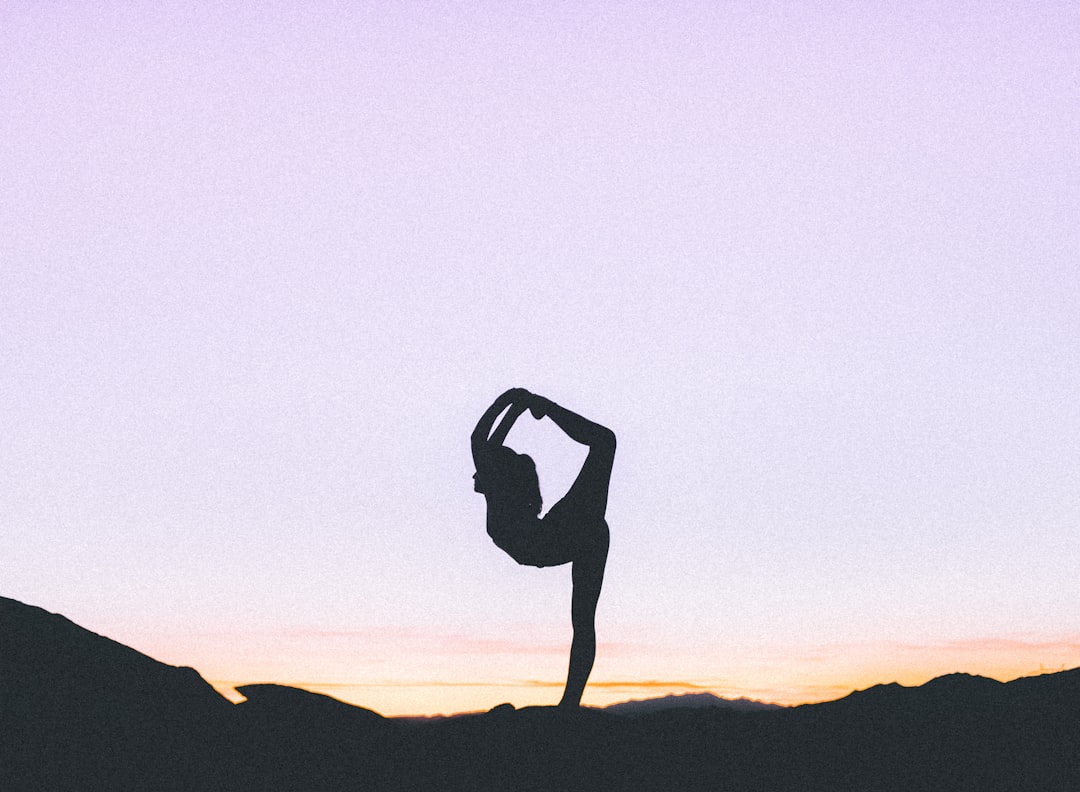
Your yoga practice is as much a mental and emotional journey as it is a physical one. The music that accompanies your flow can make a profound difference in enhancing your focus, deepening your relaxation, and elevating your overall experience. This definitive guide explores how to curate the perfect yoga playlist beyond the mainstream streaming platforms, using a variety of services and techniques. We'll dive deep into music selection principles, effective playlist structure, streaming alternatives, and customization strategies to create a transformative soundtrack tailored to your unique yoga flow.
Understanding the Role of Music in Yoga Practice
Why Music Matters in Yoga
Music sets the tone for your yoga sessions. It can aid concentration, create rhythm for movement, and foster a calming atmosphere that offsets daily stress. Scientific evidence shows that music influences heart rate variability and brainwave patterns, potentially aiding mindfulness and relaxation during practice. Choosing the right soundtrack is an essential aspect of enhancing your home workout essentials and increasing motivation.
Balancing Flow and Stillness
Your playlist should harmonize with the phases of your yoga flow—energizing during warm-up and dynamic sequences and peaceful during cool-down and meditation. This balance helps you transition seamlessly through poses while maintaining mental clarity. Understanding this interplay can be similar to cultivating community during major music events, where tempo and mood influence the crowd's energy.
Psychological Impact of Soundtracks on Mindfulness
Beyond rhythm and melody, music impacts emotional states profoundly. Yoga playlists that incorporate ambient sounds, minimalistic melodies, and nature-inspired tones enhance emotional regulation, reduce anxiety, and improve focus. This aligns with the principles in harmonizing faith and family playlists, where sound evokes peaceful connections.
Key Principles of Music Selection for Yoga Playlists
Prioritize Tempo and Rhythm
Music tempo is one of the most important criteria when selecting tracks. Slow tempos around 60-80 BPM facilitate relaxation and stretching, while mid-tempos (90-110 BPM) support flow sequences. Avoid drastically shifting tempos that interrupt concentration. Consider platforms that allow tempo exploration and customization, much like advanced content creators adapt to algorithmic shifts in web content.
Choose Instrumental and Subtle Vocals
Instrumentals or subtle, low-impact vocals are best to avoid distraction. Lyrics can interrupt mental focus or conflict with breathwork prompts. Genres like ambient, neo-classical, chill-out, and world music are often favored. Review some local indie music selections to find hidden gems away from commercialized tracks.
Incorporate Nature and Environmental Sounds
Natural soundscapes like water streams, wind, or birdsong can ground your practice in nature’s rhythm. These sounds enhance the ambiance and align with eco-friendly practice environments similar to guidance in sustainable outdoor practices.
Exploring Streaming Services Beyond the Mainstream
Why Look beyond Popular Platforms?
The mainstream platforms often push generalized algorithms that prioritize popular or commercial content, which might not suit specialized yoga playlists. Seeking niche services or diversified libraries offers more authentic, customizable options that resonate with your unique yoga style. For example, in indie gaming, bold new platforms challenge traditional monopolies; similarly, music streaming is evolving.
Spotify Alternatives Focused on Curated Experiences
Consider services like Tidal, Deezer, or Qobuz, which offer hi-fi quality audio and curated playlists emphasizing mindfulness and wellness. Platforms like SoundCloud and Bandcamp host independent artists whose tracks can be uniquely soothing or energizing. These options parallel streaming your drone footage on Vimeo, where niche content and quality take precedence.
Utilizing Niche Yoga and Meditation Music Platforms
Platforms such as Insight Timer or Calm provide extensive libraries of music tailored for meditation and yoga. While not primarily music streaming, their offerings blend guided sessions with curated sounds that enhance practice depth. This method echoes maximizing content creation techniques by merging different content formats into a compelling user experience.
Steps to Curate Your Perfect Yoga Playlist
Assess Your Practice Style and Preferences
Begin by reflecting on your practice goals: Are you focusing on dynamic flows, relaxing yin sessions, or restorative meditation? Your playlist should mirror this intention. Explore our guide on gym essentials for athletes to understand the importance of customization in routines.
Experiment with Track Selection and Ordering
Start building your playlist with a gradual tempo increase reflecting your session phases, then taper off during cool-down. Shuffle tracks to find an intuitive sequence supporting flow continuity. Approach it like building a curated snack board, balancing tastes and textures for enjoyment.
Refine with Feedback and Adjust
Record your sessions or note your mental/emotional responses to tracks. Adjust based on what enhances versus hinders your focus. This iterative approach is similar to optimizing onboarding experiences with AI, emphasizing feedback and improvement.
Technical Tips for Using Streaming Services Effectively
Leveraging Smart Playlist Features
Many platforms offer smart playlists powered by algorithms and user behavior data. Understanding how to influence these tools helps tailor music flow to your needs. For instance, Spotify's smart playlist analysis parallels the insights from real-time data impact on trading, where small inputs optimize outcomes.
Offline Playback and Connectivity Considerations
Ensure your playlist is available for offline listening to avoid disruptions during practice. Caching tracks beforehand is crucial for consistent soundscapes, a practice akin to enhancing offline connectivity in cloud solutions.
Using Crossfade and Transition Settings
Smooth transitions between songs keep your mind undistracted. Enable crossfade options when available to blend tracks seamlessly, mirroring the natural transitions within yoga flows. These recommendations are inspired by techniques in marketing team performance optimization, which focus on flow and continuity.
Curating Playlists for Different Yoga Styles and Levels
Vinyasa Flow: Energetic and Rhythmic Playlists
Fast-paced, dynamic yoga requires energetic music with steady beats to sync movement and breath. Consider genres like soft electronic, world fusion, or acoustic indie. Our article on the resurgence of indie games highlights how fresh sounds can energize and inspire – a similar effect applies to Vinyasa playlists.
Hatha and Slow Flow: Meditative and Grounding Sounds
Relaxed practice benefits from minimalistic, slow-tempo tracks with nature sounds or traditional instruments. This supports gentle movement and deep concentration. In spiritual playlists, similar elements support stillness and presence.
Yin and Restorative Yoga: Ambient and Soothing Soundscapes
Deep stretching and prolonged poses call for very soft, ambient music or silence with natural background sounds. Solitude and inner focus are key. Environmental awareness is discussed in sustainable hiking practices, which parallels the mindful use of soundscapes here.
Integrating Community and Social Features in Playlist Sharing
Benefits of Sharing Your Yoga Playlist
Sharing playlists builds community, invites feedback, and inspires others. Platforms like Deezer and SoundCloud have collaborative playlist options that foster connection akin to major music event communities.
Finding and Joining Yoga Music Communities
Many online yoga groups curate and exchange playlists via social media, forums, or dedicated apps. Participating helps expose you to new music styles and techniques, much like the content creator pre/post-launch communities that exchange valuable insights.
Hosting Group Sessions with Shared Soundtracks
For live virtual or in-person sessions, coordinating a shared music source enhances synchrony. Using services that support multi-device syncing ensures everyone experiences the same soundtrack, a technique comparable to collaborative VR workspaces.
Comparison of Popular Streaming Platforms for Yoga Music Curation
Below is a detailed comparison table emphasizing key features relevant for yoga playlist curation and practice enhancement.
| Feature | Spotify | Tidal | Deezer | Qobuz | SoundCloud |
|---|---|---|---|---|---|
| Audio Quality | Standard to Hi-Fi (320 kbps) | Hi-Fi & Master Quality (up to 24-bit) | Standard to Hi-Fi (FLAC available) | Hi-Fi (up to 24-bit/192 kHz) | Mostly compressed, some Hi-Fi on uploads |
| Availability of Yoga/Meditation Playlists | Extensive curated & user playlists | Good curated selection, focus on quality | Good variety with editorial picks | More niche, audiophile focused | Varied, mostly indie and experimental |
| Offline Playback | Available with Premium subscription | Available with Hi-Fi subscription | Available with Premium | Available with subscription | Available on desktop and via apps |
| Crossfade & Transition Features | Yes | Yes | Yes | Yes | Limited |
| Ability to Create & Share Playlists | Robust with social sharing | Good social features | Strong playlist tools | Moderate | Excellent for indie sharing |
Pro Tip: If audio fidelity enhances your focus, prioritizing platforms like Qobuz or Tidal with Hi-Fi offerings can make a surprising impact on your mind-body connection during yoga sessions.
Advanced Techniques for Dynamic Playlist Curation
Incorporating Biometric Feedback
Some apps integrate with wearable devices to adjust music tempo or mood based on heart rate or breath patterns, creating a responsive yoga soundtrack. This advancement parallels trends in wearables enhancing gameplay experience.
Using AI and Machine Learning Tools for Personalization
AI-generated playlists adapt to your historic preferences and session feedback to continually refine track selections. These are emerging features on platforms like Deezer and Spotify, echoing shifts in algorithmic content creation.
Layering Live Elements and Field Recordings
Some practitioners record live sounds—singing bowls, chants, ambient noises—to embed into their playlists, creating a deeply personal auditory experience. This hands-on curation is reminiscent of DIY keepsake crafting, blending art with practice.
Maintaining Motivation and Consistency Through Music
Refreshing Your Playlist Regularly
Changing your playlist seasonally or as your practice evolves prevents stagnation and renews enthusiasm. This is similar to strategic planning in seasonal preparation guides that optimize performance.
Aligning Music to Your Mood and Energy
Some days require calming tones while others invite more vibrant energy. Keeping multiple playlist versions ready supports responsive practice choices. Our article on fashion-forward packing similarly advises packing versatile options to adapt to changing needs.
Tracking Progress and Emotional States
Maintain a journal or use an app to note how music choices affect your practice and mood. This evidence-based approach helps refine future playlists and maximizes benefits, reminiscent of tracking commitments in performance plans.
Frequently Asked Questions (FAQs)
1. Can I use any music genre for yoga?
While personal preference plays a role, genres that promote calmness and steady rhythm without disruptive lyrics generally work best, such as ambient, world, or instrumental music.
2. Are there copyright concerns when using playlists for classes?
Yes, when teaching publicly or streaming sessions, ensure you use licensed music or approved platforms. For private yoga practice, personal use streaming is typically safe.
3. How long should a yoga playlist be?
A playlist should generally cover the session length with some buffer, plus diverse tracks supporting warm-up, peak flow, and cool-down phases.
4. How can I discover new music for my playlist?
Explore indie platforms, meditation apps, and community recommendations. Participating in yoga forums or social music groups also helps uncover gems.
5. What headphones or audio equipment enhance yoga music experience?
Wireless earbuds with ambient noise cancellation provide freedom of movement and clear sound. Check our guide on stylish wireless earbuds for top choices.
Related Reading
- Crafting Memories: DIY Muslin Projects for Instant Keepsakes - Discover handmade approaches that inspire personal creativity akin to custom playlist crafting.
- From Fans to Friends: Cultivating Community During Major Music Events - Learn how musical communities form and thrive, a principle translatable to yoga playlist sharing.
- Maximizing Content Creation: Pre/Post-Launch Checklist for Creators - Useful strategies for iterative improvement, applicable to refining your yoga soundtracks.
- Gym Essentials You Shouldn't Leave Home Without: Packing Tips for Traveling Athletes - Tips on equipment and customization for peak performance, paralleling yoga music preparation.
- Harmonizing Faith and Family: Creating the Perfect Playlist for Spiritual Moments - Insights into emotional and spiritual playlist curation to deepen presence.