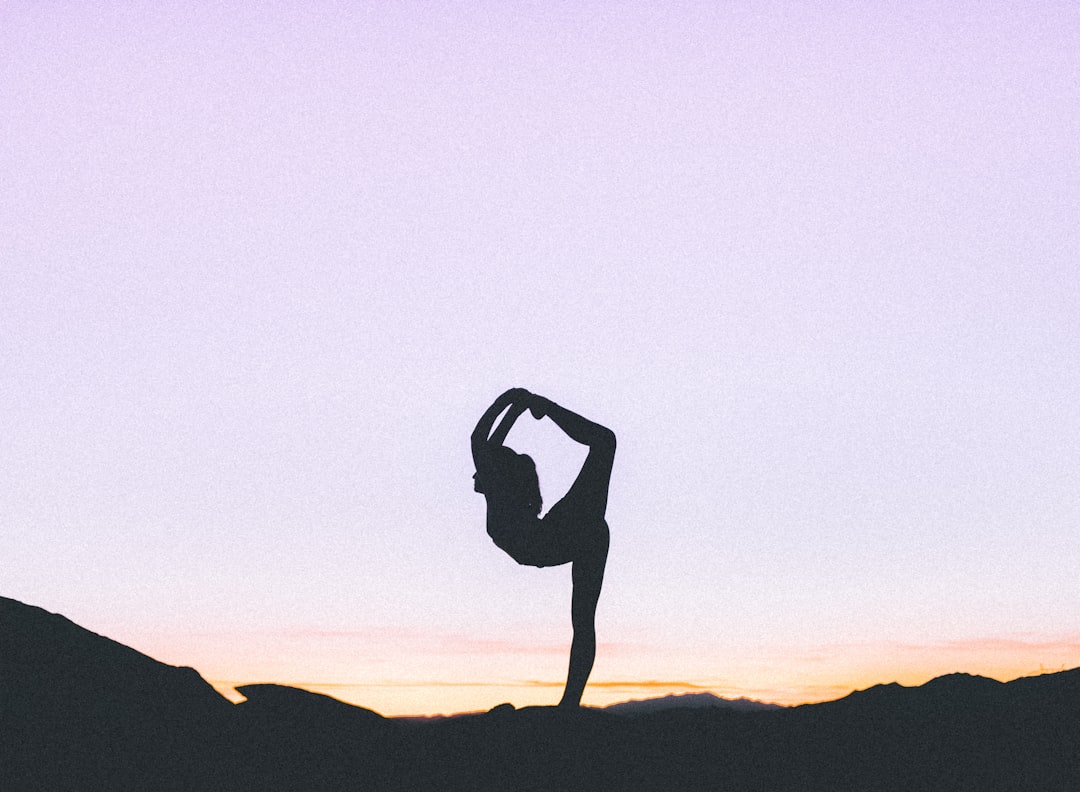
This 30-day morning yoga routine for beginners gives you a simple, repeatable way to build flexibility, mobility, and energy without needing a large space or long workout. Start with five-minute sessions, record a few useful observations, and gradually progress toward a calm 20-minute home yoga practice.
Overview
A morning practice works best when it is easy to begin. You do not need to touch your toes, memorize complicated yoga poses, or complete a demanding flow before breakfast. The goal of this plan is consistency: move gently, notice how your body feels, and finish with enough energy for the rest of the day.
Use a yoga mat if you have one, but a firm, non-slip surface can work for many of the standing and seated movements. Keep a folded towel or cushion nearby. Yoga blocks are helpful for bringing the floor closer to your hands, although books with stable covers may be used cautiously as a temporary alternative.
Move slowly and keep your breathing comfortable. Mild stretching sensations are normal; sharp pain, numbness, dizziness, or a feeling of instability is a reason to stop. If you are pregnant, recovering from an injury, or managing a medical condition, ask a qualified healthcare professional or prenatal yoga teacher how to adapt the sequence.
The basic morning sequence
- Arrival breathing: Sit or stand comfortably for five slow breaths. Let your shoulders soften without forcing the inhale or exhale.
- Cat-cow: Come to hands and knees, then alternate between gently rounding and extending the spine for six to eight cycles. Keep the movement small if your back feels stiff.
- Child’s pose: Move your hips toward your heels and rest your forehead on a cushion if needed. Stay for three to five breaths, or substitute a seated forward rest.
- Half-kneeling hip stretch: Step one foot forward, place your hands on your thigh or blocks, and lightly shift your hips forward. Hold for three breaths on each side.
- Low lunge with reach: From the same position, raise the arm on the side of the back leg only as far as is comfortable. Take two breaths per side.
- Mountain pose: Stand with feet comfortable apart, knees relaxed, and arms by your sides. Notice your posture for three breaths.
- Half sun salutation: Inhale as you lift your arms, exhale into a comfortable forward fold, inhale to lengthen your spine, then exhale and return to standing. Repeat two to four times.
- Easy standing balance: Shift weight into one foot and place the other foot’s toes on the floor, or bring the sole to the calf. Hold for two to three breaths per side while using a wall for support.
- Closing rest: Sit or lie down for one minute. Notice whether your breathing, temperature, and energy feel different from when you began.
What to track
A daily yoga habit tracker should be brief enough to complete in under a minute. Tracking too many details can turn a supportive practice into another task. Record the items that help you decide what to repeat, reduce, or progress.
- Minutes practiced: Write the actual time, not the time you planned to practice.
- Energy before and after: Use a simple scale from 1 to 5. This is a personal observation, not a performance score.
- Stiffness: Note the main area that felt restricted, such as hips, hamstrings, shoulders, or back.
- Most useful pose: Identify one movement that helped you feel more comfortable.
- Modification used: Record whether you used a wall, cushion, block, bent knees, or a smaller range of motion.
- Comfort: Mark the session as comfortable, mixed, or uncomfortable. If discomfort persists, shorten or pause the routine.
A practical tracker entry might read: “Day 6 — 8 minutes, energy 2/5 to 3/5, tight hips, used a cushion in child’s pose, half sun salutations felt best.” This gives you information without judging your body.
Printable 30-day habit tracker
Copy this list into a notebook, calendar, or notes app. Check the box only after you complete a version of the practice, even if you need to shorten it.
Days 1–7: ☐ 1 ☐ 2 ☐ 3 ☐ 4 ☐ 5 ☐ 6 ☐ 7
Days 8–14: ☐ 8 ☐ 9 ☐ 10 ☐ 11 ☐ 12 ☐ 13 ☐ 14
Days 15–21: ☐ 15 ☐ 16 ☐ 17 ☐ 18 ☐ 19 ☐ 20 ☐ 21
Days 22–30: ☐ 22 ☐ 23 ☐ 24 ☐ 25 ☐ 26 ☐ 27 ☐ 28 ☐ 29 ☐ 30
Cadence and checkpoints
Use the following four-week progression as a flexible guide. Repeat a week if your body or schedule needs more time.
Week 1: Establish the cue
Practice for 5 to 7 minutes. Use arrival breathing, cat-cow, child’s pose, a gentle hip stretch, and mountain pose. Your checkpoint is simple: Can you begin on most days without making the session feel like a major decision? If mornings are especially stiff, spend more time breathing and less time stretching.
Week 2: Add standing movement
Practice for 7 to 10 minutes. Add the half sun salutation and a supported standing balance. Keep your knees bent during forward folds and place your hands on blocks or thighs rather than reaching for the floor.
Week 3: Build a steady sequence
Practice for 10 to 15 minutes. Complete two or three rounds of the half sun salutation, then add the low lunge with reach on both sides. Keep the pace unhurried. The aim is smoother transitions, not deeper poses.
Week 4: Choose your repeatable version
Practice for 15 to 20 minutes when convenient. Combine the basic sequence with an extra minute in the poses that feel useful. End with seated or lying rest. At the end of the week, write down the version you could realistically repeat three to five mornings per week.
For a more detailed flexibility-focused record, use this 30-Day Yoga Flexibility Tracker. If you prefer a broader four-week beginner plan, see the 4-Week Yoga for Beginners Plan.
How to interpret changes
Progress in yoga for flexibility is not always a larger range of motion. You may notice that getting out of bed feels easier, your breathing settles sooner, or you need fewer adjustments to reach a comfortable position. These are useful changes even when a pose looks the same.
Compare similar mornings rather than isolated sessions. A short practice after poor sleep may feel different from a longer practice on a relaxed weekend. Look for patterns across seven days:
- If energy improves after brief movement, keep the short version available for busy mornings.
- If forward folds feel strained, bend your knees, shorten the hold, and emphasize length through the spine.
- If wrists are uncomfortable in cat-cow, make fists, use a wedge or folded towel, or substitute seated spinal movement.
- If balance is inconsistent, practice beside a wall and focus on steady breathing rather than duration.
- If a pose repeatedly creates pain, remove it and choose a pain-free alternative instead of trying to push through.
On limited-space mornings, perform cat-cow at the edge of a bed, replace standing balance with seated ankle and shoulder movements, and use a small standing area for mountain pose. If you miss a day, resume with the last comfortable session; there is no need to double the practice.
When to revisit
Review your tracker at the end of each week, then complete a fuller review on day 30. Ask three questions: Which session length was easiest to repeat? Which areas still feel restricted? Which modifications helped me practice safely and comfortably?
Revisit this plan monthly or quarterly, especially when your schedule, sleep pattern, activity level, or available space changes. A runner or cyclist may want more hip and back mobility; someone working at a desk may prioritize shoulders and upper back. Relevant variations are available in the guides to yoga for cyclists, yoga for runners, and desk yoga stretches.
For your next 30 days, keep one familiar element, change only one variable, and continue recording minutes, comfort, and energy. You might extend the closing rest, add a gentle pose, or maintain the same short sequence. The most useful morning yoga routine is the one you can perform with attention, adapt when needed, and return to over time.